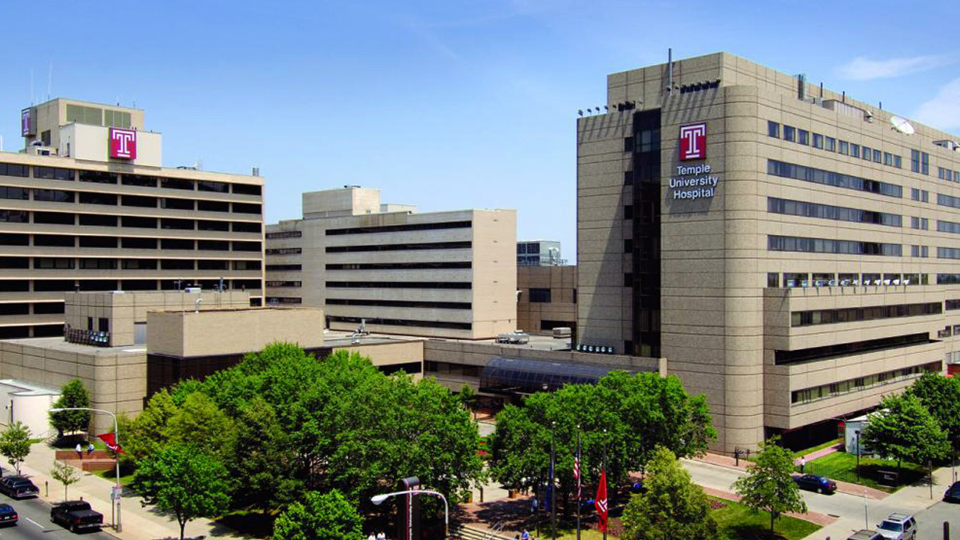
Temple University Hospital
The Challenge
Temple University Hospital's patient population is largely disadvantaged and impacted by multiple social determinants of health (SDOH). 86 percent of this population is covered by government programs (45 percent Medicaid and 41 percent Medicare), and 64 percent have a household income of less than $20,000 annually. These patients have twice as many comorbidities as patients in neighboring zip codes and a life expectancy nearly 10 years lower.
These challenges make Temple's patients highly dependent on prescription medications, particularly specialty drugs. During an internal analysis, Temple discovered its reliance on contract specialty pharmacies often resulted in slow response times to patient questions, delaying the dispensing of specialty medications by as much as 30 days. Temple University Hospital wanted to bring the specialty pharmacy function in-house to enhance patient care, realize significant savings by eliminating contract pharmacy dispensing fees and optimizing 340B discounts, and bypass manufacturer-enforced 340B discount restrictions on contract pharmacies.
The Solution
Temple took a hybrid approach, maintaining control of the project while partnering with a vendor that could provide the specialty pharmacy expertise and relationships necessary to facilitate success. After issuing an RFP and conducting a side-by-side comparison between four vendors, Temple ultimately selected Omnicell Specialty Pharmacy Services for several reasons.
Flexibility was a key differentiator: "Unlike other vendors, Omnicell didn't push a prepackaged specialty pharmacy program on us," says Abhinav Rastogi, President and CEO of Temple University Hospital. "They recognized the specialty pharmacy experience we already had from our retail pharmacies and cancer center. Omnicell was flexible enough to leverage our strengths and augment them with their experience." Omnicell also delivered access to Limited Distribution Drugs (LDDs) through its established manufacturer relationships, staffed the specialty pharmacy within the first two months, and helped Temple secure ACHC and URAC accreditations within 9 months of opening.
The Impact
Since launching its entity-owned specialty pharmacy, Temple has grown daily specialty sales by 45%. From September 2022 through December 2023, Temple realized a 205% increase in providers served and a 526% growth in patient volume. Moreover, Temple has significantly increased its number of drug contracts, enabling them to provide patients with access to 97.2% of LDDs.
Moving forward, Temple University Hospital plans to spur additional growth by implementing key 340B access improvements and launching an in-house home infusion program. "Since the inception of our specialty pharmacy initiative, we expected the growth generated by the program to follow a hockey stick graph where it starts slow before rising quickly. We are currently in the early stages of the rapid upward trajectory of that graph," says Rastogi.
Visit Omnicell.com/specialty-pharmacy to learn more today.